
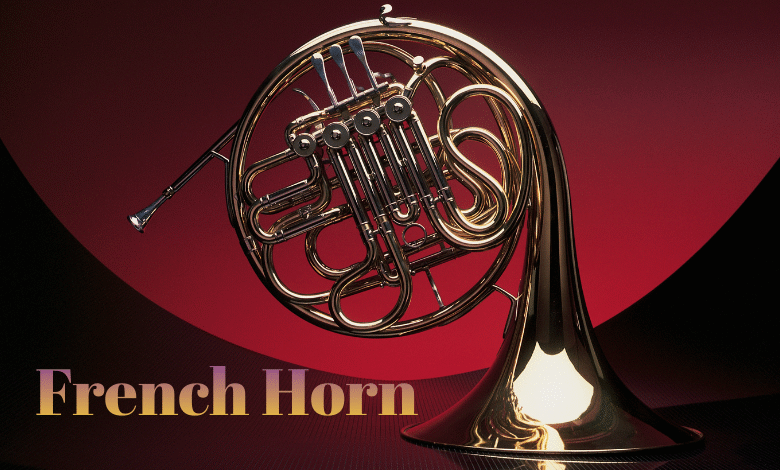
The French horn stands as one of the most expressive and technically refined instruments in the brass family. Known for its warm, rounded tone and remarkable dynamic range, the French horn occupies a central role in orchestral, chamber, and solo music. We explore the instrument in depth, covering its origins, structure, playing techniques, musical applications, and guidance for achieving professional-level mastery.
Origins and Historical Evolution of the French Horn
The French horn traces its lineage to natural hunting horns used in Europe during the 17th century. These early horns lacked valves and relied on the harmonic series for pitch changes. Over time, innovations transformed the horn into a fully chromatic instrument.
The introduction of hand-stopping techniques in the 18th century allowed players to alter pitch by inserting the hand into the bell. The 19th century brought the most significant advancement: rotary valves, enabling precise pitch control and expanding musical possibilities. The modern double French horn, combining F and B♭ systems, emerged as the standard for professional performance.
Anatomy of the French Horn
Understanding the physical structure of the French horn is essential for tone production and technical accuracy.
Bell
The large flared bell shapes the horn’s distinctive sound. Bell size and material influence resonance, projection, and tonal color.
Valves
Most professional horns use rotary valves, offering smooth transitions and reliability. The double horn features a thumb-operated valve that switches between F and B♭ tubing.
Leadpipe
The leadpipe connects the mouthpiece to the valves and plays a critical role in response and articulation.
Mouthpiece
Horn mouthpieces are typically deep and funnel-shaped, supporting the horn’s mellow tone and wide range.
How the French Horn Produces Sound
Sound is created by buzzing the lips into the mouthpiece while directing air through coiled tubing. The right hand, placed inside the bell, refines intonation and timbre. Subtle hand adjustments allow players to alter pitch, color, and projection with exceptional nuance.
French Horn Range and Tonal Characteristics
The French horn boasts one of the widest ranges among brass instruments, spanning over four octaves. Its tone can be noble and heroic in the upper register or dark and velvety in the lower range. This versatility makes the horn indispensable in both lyrical and dramatic musical contexts.
Essential French Horn Techniques
Mastery of the French horn requires refined control and disciplined practice.
Embouchure Control
A balanced embouchure ensures stability across registers. Precision in lip tension and airflow is essential for clean attacks and accurate pitch.
Breath Support
The horn demands consistent, deep breathing. Proper diaphragm engagement supports long phrases and smooth dynamic changes.
Hand Positioning
Correct hand placement inside the bell improves tone consistency and intonation. Small movements yield significant tonal variations.
Articulation
Clean articulation on the horn relies on subtle tongue placement and controlled airflow. Styles range from legato smoothness to crisp staccato clarity.
French Horn in Orchestral and Solo Music
The French horn plays a vital role across musical genres.
Orchestral Significance
In orchestral settings, horns bridge the brass and woodwind sections. They provide harmonic depth, heroic fanfares, and lyrical solos. Composers such as Beethoven, Brahms, Wagner, and Mahler elevated the horn’s prominence in symphonic writing.
Solo and Chamber Repertoire
The horn shines in solo works by Mozart, Strauss, and Hindemith, showcasing its expressive range. In chamber music, horn ensembles and quintets highlight blend and tonal balance.
Choosing the Right French Horn
Selecting the appropriate horn impacts long-term success.
Single vs Double Horns
-
Single horns are lighter and suitable for beginners.
-
Double horns offer greater flexibility and intonation control, preferred by advanced players.
Materials and Finish
Yellow brass provides brightness, while gold brass adds warmth. Lacquered and silver-plated finishes affect response and aesthetics.
Professional Brands
Reputable manufacturers such as Alexander, Yamaha, Conn, and Hans Hoyer are known for precision craftsmanship and tonal excellence.
Maintenance and Care of the French Horn
Proper maintenance preserves performance quality and instrument longevity.
-
Regular cleaning prevents buildup and corrosion.
-
Valve lubrication ensures smooth operation.
-
Careful storage protects delicate tubing from damage.
-
Routine professional servicing maintains optimal playability.
Developing Mastery on the French Horn
Achieving excellence on the French horn requires structured practice and musical awareness.
Daily Practice Structure
Effective sessions include long tones, flexibility exercises, scale studies, and repertoire work. Consistency builds endurance and control.
Ear Training and Intonation
The horn’s reliance on the harmonic series demands refined listening skills. Tuning drones and ensemble playing strengthen pitch accuracy.
Performance Preparation
Mental focus, breath control, and confident stage presence contribute to successful performances.
The French Horn in Modern Music
Beyond classical traditions, the French horn appears in film scores, jazz arrangements, and contemporary compositions. Its emotive sound enhances cinematic storytelling and experimental musical textures.
Why the French Horn Remains Unmatched
The French horn’s unique combination of technical challenge, tonal beauty, and expressive depth sets it apart. Its ability to convey power, warmth, and subtlety ensures its enduring relevance across musical eras.
Conclusion
The French horn represents a pinnacle of musical craftsmanship and expressive potential. Through its rich history, sophisticated design, and profound artistic impact, the instrument continues to inspire performers and audiences alike. Mastery of the French horn rewards dedication with unmatched musical fulfillment and limitless expressive possibilities.

