When discussing the heritage of Yorkshire’s coastline, few stories resonate with as much color, charm, and quiet mystery as the tale of the Filey Moan. Rooted deeply in local culture, this evocative phrase is more than mere folklore it reflects the spirit, history, and character of Filey itself: a seaside town defined by dramatic cliffs, sweeping sands, and a community known for its warm candor. We explore how this expression emerged, why it endures, and what it reveals about a region rich with tradition.
Origins of the Filey Moan: More Than Just Words
To appreciate the essence of the Filey Moan, one must first understand Yorkshire’s linguistic heritage. Locals have long used the term to affectionately describe the good-natured grumbling often heard in daily conversation humorous, heartfelt, and reflective of a shared experience.
While outsiders may interpret “moaning” negatively, within Filey just as in other parts of Yorkshire it serves as a form of communal bonding:
-
A way to share stories.
-
A method of expressing resilience.
-
A cultural hallmark of straight-talking northern wit.
The Filey Moan is not cynicism; it is storytelling with an edge of truth and a wink of humor.
Filey’s Coastal Identity and Its Influence on Local Culture
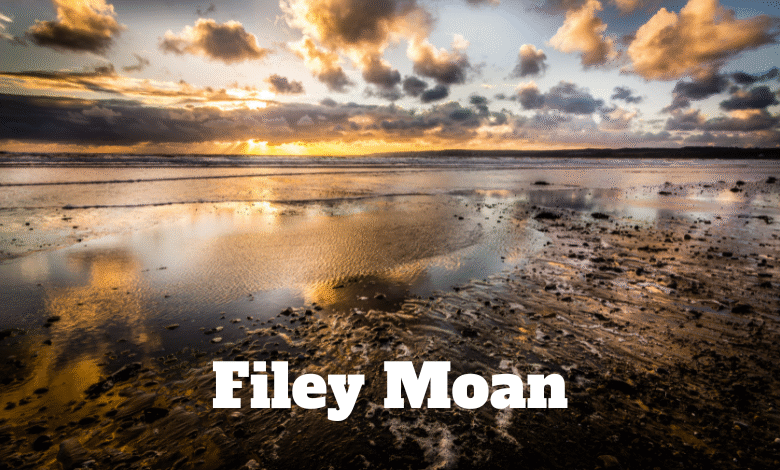
Filey’s geography has always shaped its people. Nestled between the more crowded shores of Scarborough and Bridlington, Filey offers a quieter, more reflective seaside landscape. Long stretches of beach, dramatic chalk cliffs, and ever-shifting tides create an environment where nature’s presence is felt daily.
This backdrop has cultivated a culture marked by:
-
Resilience against harsh weather patterns
-
Community strength in a traditional fishing town
-
Humour, shaped by shared livelihoods and generational stories
In this environment, the Filey Moan emerges as both a coping mechanism and a cultural badge an acknowledgment that life’s challenges are best faced with a dry joke and a steady gaze toward the sea.
The Filey Moan in Modern Times
As Filey grows in popularity among visitors, retirees, and day-trippers, the Filey Moan has transformed. Locals still use it with affectionate familiarity, but newcomers have embraced it as part of their coastal discovery.
In modern context, the Filey Moan reflects:
-
The charm of small-town conversation
-
The humor shared between neighbours and shopkeepers
-
The sense of belonging that Filey effortlessly inspires
For visitors, understanding the Moan helps foster deeper appreciation for the authentic character of Filey one rooted in community, history, and lived experience.
Filey’s Fishing Heritage and the Birth of Coastal Storytelling
Beyond language, the Filey Moan is tied to the region’s fishing past. Filey was once home to a flourishing fishing fleet, and the sea shaped every household. Fishermen relied on skill, luck, and the mercy of the tides, and with such uncertainty came a tradition of storytelling steeped in wry commentary.
This blend of humour and realism gave rise to a narrative style that persists today. In essence, the Filey Moan is the voice of a coastline that has seen centuries of:
-
Maritime triumph
-
Sudden storms
-
Economic change
-
Generational wisdom
It remains one of the most recognizable expressions of Filey’s identity.
Community Togetherness and the Role of Local Dialogue
One of Filey’s great strengths is its sense of togetherness. From its traditional pubs to its independent shops and community events, the town thrives on heartfelt connection. The Filey Moan often plays a central role here: it is conversation starter, icebreaker, and storytelling device all at once.
Whether overheard in a café overlooking the bay or exchanged between fishermen on the Brigg at sunrise, this familiar expression is part of the verbal landscape that makes Filey so uniquely welcoming.
Filey Brigg: A Setting That Inspires Folklore and Myth
No article on Filey would be complete without acknowledging Filey Brigg, the narrow peninsula that stretches dramatically into the North Sea. Famous for its fossils, tidal pools, and sudden fogs, the Brigg has long been a source of folklore.
Locals speak of:
-
The haunting echoes of waves against the rocks
-
Sudden changes in weather that catch visitors off guard
-
The mysterious sounds that drift inland when tides shift
Some say these moody coastal murmurs add to the idea of the Filey Moan nature’s own contribution to the town’s storytelling tradition.
Tourism and the Filey Experience Today
As Filey’s reputation grows, so does curiosity about its cultural quirks particularly the Filey Moan. Visitors are increasingly drawn not only to the town’s tranquil beaches and Victorian charm but also to the authentic local voice that sets Filey apart.
What modern tourists appreciate most is the fusion of:
-
Unspoiled coastline
-
Rich local character
-
Honest northern resilience
-
Warm interactions with locals
The Filey Moan becomes something of a delightful souvenir an expression that captures the rhythm of life in this coastal haven.
Preserving Authentic Voices in a Changing World
As digital culture and rapid tourism shape modern towns, retaining authentic local language becomes essential. The Filey Moan stands as a linguistic treasure a reminder that regional identity matters and storytelling binds communities together.
Preserving local expressions like this ensures that the spirit of Filey remains vibrant for future generations.
Why the Filey Moan Matters: A Cultural Reflection
Ultimately, the Filey Moan does more than amuse. It reflects:
-
A historical connection to the sea
-
The perseverance of Yorkshire people
-
The charm of community-based humour
-
The enduring traditions of a tight-knit town
Understanding the Filey Moan means understanding Filey itself a place where natural beauty meets resilient humanity, and where stories carry the weight of centuries.