
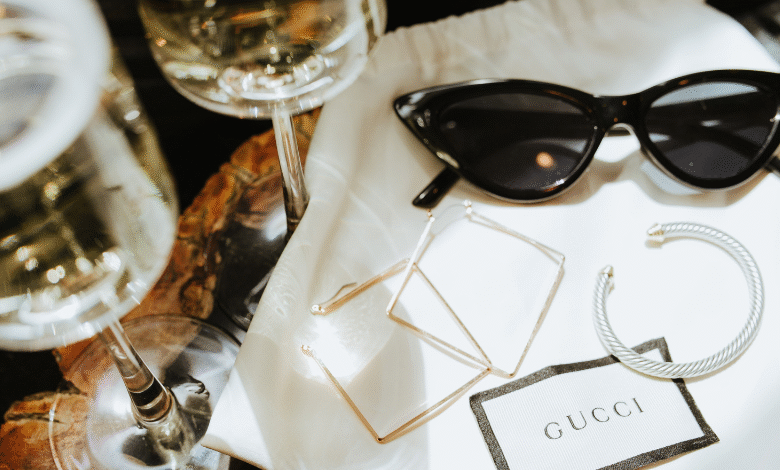
The Gucci GG0600G 001 eyeglasses frames represent one of the most recognizable expressions of modern luxury eyewear. As global demand for high-end optical accessories continues to grow, Gucci’s eyewear line has become synonymous with premium craftsmanship, distinctive aesthetics, and long-lasting durability. In this in-depth review, we explore every element that defines the GG0600G 001 model and deliver a fully detailed analysis designed to help you make an informed purchase.
A Detailed Overview of the Gucci GG0600G 001 Eyeglasses Frames
The GG0600G 001 model showcases Gucci’s commitment to innovative design while preserving the brand’s iconic identity. Crafted with exceptional attention to detail, these frames provide a seamless blend of functionality and luxury. Their black finish, refined gold accents, and contemporary silhouette offer a look that is both polished and timeless.
Key highlights of the GG0600G 001 include:
-
Elegant rectangular frame shape
-
Bold black acetate construction
-
Signature Gucci emblem detailing
-
Lightweight yet durable materials
-
Unisex appeal suited for both professional and casual settings
These features establish the GG0600G 001 as one of the most sought-after eyewear models in the luxury optical industry.
Premium Materials: What Makes the GG0600G 001 a High-Quality Frame
High-Grade Acetate Construction
The frame is crafted from premium Italian acetate, known for its flexibility, strength, and resistance to daily wear. This type of acetate is renowned for:
-
Exceptional durability
-
Luxurious glossy finish
-
Hypoallergenic properties
-
Comfortable fit even for extended wear
High-density acetate allows the frames to maintain their shape while minimizing breakage risk, making them an excellent long-term investment.
Gold-Tone Metal Detailing
The temples feature polished gold-tone metal accents, adding a refined touch that elevates the frame’s visual appeal. Gucci’s metal detailing is corrosion-resistant and designed to maintain its luster over time.
Precision-Engineered Hinges
The GG0600G 001 frames incorporate reinforced hinges that ensure smooth, stable movement. High-quality hinges are often a distinguishing factor between designer eyewear and low-cost alternatives, and this model excels in both longevity and comfort.
Design Excellence: Iconic Style with Modern Influence
Sleek Silhouette for Versatile Styling
The rectangular design of the GG0600G 001 is intentionally crafted to complement a wide range of face shapes, including:
-
Square
-
Oval
-
Round
-
Heart-shaped
This design versatility makes the frame ideal for professionals, students, and fashion-conscious consumers.
Luxurious Branding Without Overstatement
Gucci achieves a perfect balance between bold identity and subtlety. The temples feature:
-
A discreet yet recognizable Gucci logo
-
Metal detailing that enhances sophistication
-
Exclusive craftsmanship unique to the brand
The branding enhances the luxury appeal without overwhelming the overall aesthetic.
Comfort and Fit: Designed for Everyday Wear
Lightweight Structure
Despite its solid construction, the GG0600G 001 is surprisingly lightweight, reducing strain on the nose and ears.
Ergonomic Design
The frame incorporates:
-
Curved temples for secure placement
-
Smooth, polished edges for maximum comfort
-
A balanced weight distribution to prevent slipping
These features make the eyewear suitable for daily use, long work hours, and screen-heavy environments.
Optical Precision: Prescription Ready for All Lenses
The Gucci GG0600G 001 frames are fully compatible with a wide range of prescription lens types, including:
-
Single vision lenses
-
Progressive / multifocal lenses
-
Blue-light blocking lenses
-
High-index lenses for strong prescriptions
The sturdy frame design accommodates lens customization without compromising comfort or aesthetic appeal.
Durability and Long-Term Value
A hallmark of Gucci eyewear is its ability to maintain structural integrity and elegance over time. Key durability factors include:
-
Scratch-resistant acetate
-
Strong reinforced temples
-
Fade-resistant color finishing
-
Metal details engineered for longevity
With proper care, these frames can remain in excellent condition for many years, making them a high-value luxury investment.
Who Should Choose the Gucci GG0600G 001?
Professionals Seeking Elevated Style
The understated elegance of the GG0600G 001 complements business attire while maintaining a modern aesthetic.
Fashion Enthusiasts Who Appreciate Luxury Craftsmanship
These frames showcase iconic Gucci design elements that enhance personal style effortlessly.
Buyers Seeking Long-Lasting Premium Eyewear
The combination of premium materials and durability makes this model ideal for those looking for reliable daily-use frames.
Comparing the GG0600G 001 to Other Luxury Frames
While many luxury eyewear brands offer high-quality products, Gucci sets itself apart with:
-
Distinctive branding that is instantly recognizable
-
Superior craftsmanship rooted in Italian manufacturing
-
Trend-forward yet timeless silhouettes
-
Consistent quality across all collections
The GG0600G 001 stands out due to its universal appeal, durable build, and elegant design—qualities that place it above many competing models in the same price category.
Verifying Authenticity When Purchasing Gucci Eyewear
To ensure you receive genuine Gucci frames, look for:
-
Authenticity certificates
-
Original Gucci packaging
-
Precise, clean engraved logos
-
High-quality materials with zero imperfections
-
Authorized retailer verification
Buying from authorized sellers guarantees quality, warranty support, and authentic craftsmanship.
Maintenance Tips for Preserving the Quality of GG0600G 001 Frames
Follow these easy practices to maintain your Gucci frames:
-
Clean lenses with a microfiber cloth
-
Store eyewear in the protective case when not in use
-
Avoid placing frames face-down on hard surfaces
-
Keep frames away from extreme heat
-
Schedule occasional optical adjustments for the perfect fit
Proper care ensures your investment remains in pristine condition.
Final Verdict Are Gucci GG0600G 001 Frames High Quality?
Yes the Gucci GG0600G 001 frames offer outstanding quality, premium materials, exceptional craftsmanship, and timeless design, making them one of the top luxury eyewear choices on the market today. Their durability, comfort, and sophisticated look create exceptional long-term value for both prescription wearers and fashion enthusiasts.
Whether you are upgrading your everyday eyewear or expanding your luxury accessory collection, the Gucci GG0600G 001 frames deliver a superior combination of functionality and elegance that stands out in the world of designer eyewear.


